
470 endorsements drop in:
Day(s)
:
Hour(s)
:
Minute(s)
:
Second(s)
Dear friends,
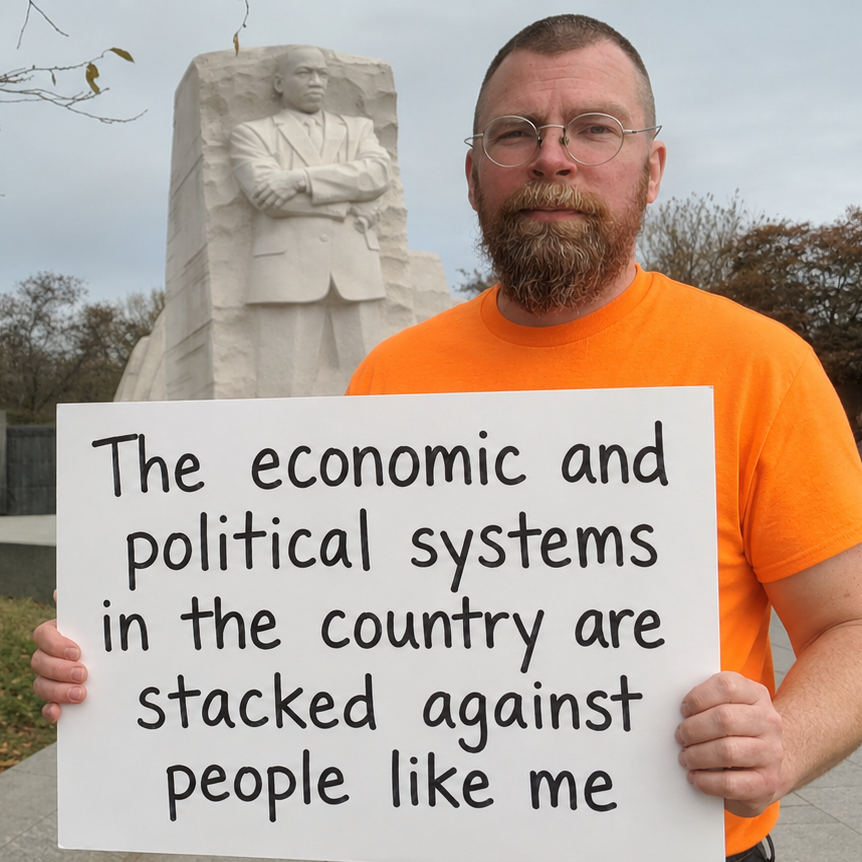
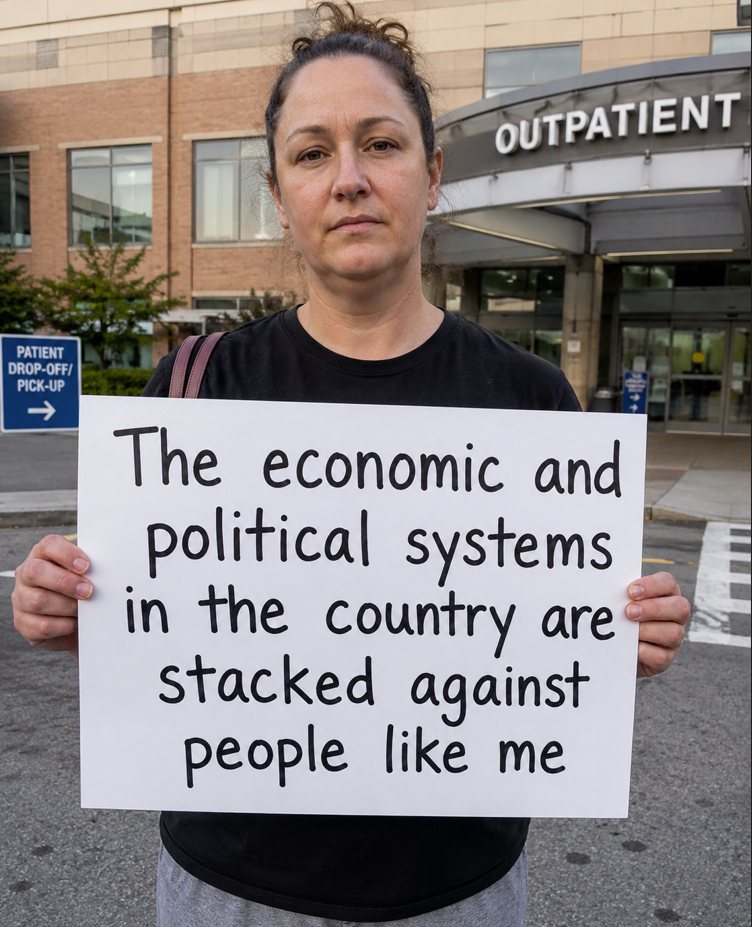
My name is Brian and I’m asking for your vote on November 3rd, 2026. As the United States celebrates its 250th birthday, it is clear that we are not living up to our full potential as a nation. Most Americans agree with the statement: “The economic and political systems in the country are stacked against people like me.” Something has to change.
I’m asking for your vote in the midterms, but not FOR me — I am not a candidate for Congress. I’m not seeking public office, but to change public policy. I’m asking you to vote WITH me in order to unstack our political and economic systems, so that they better serve the people of the United States. As a cohesive block of voters nationwide, untethered to either of the major parties, we can reshape America’s political structure.
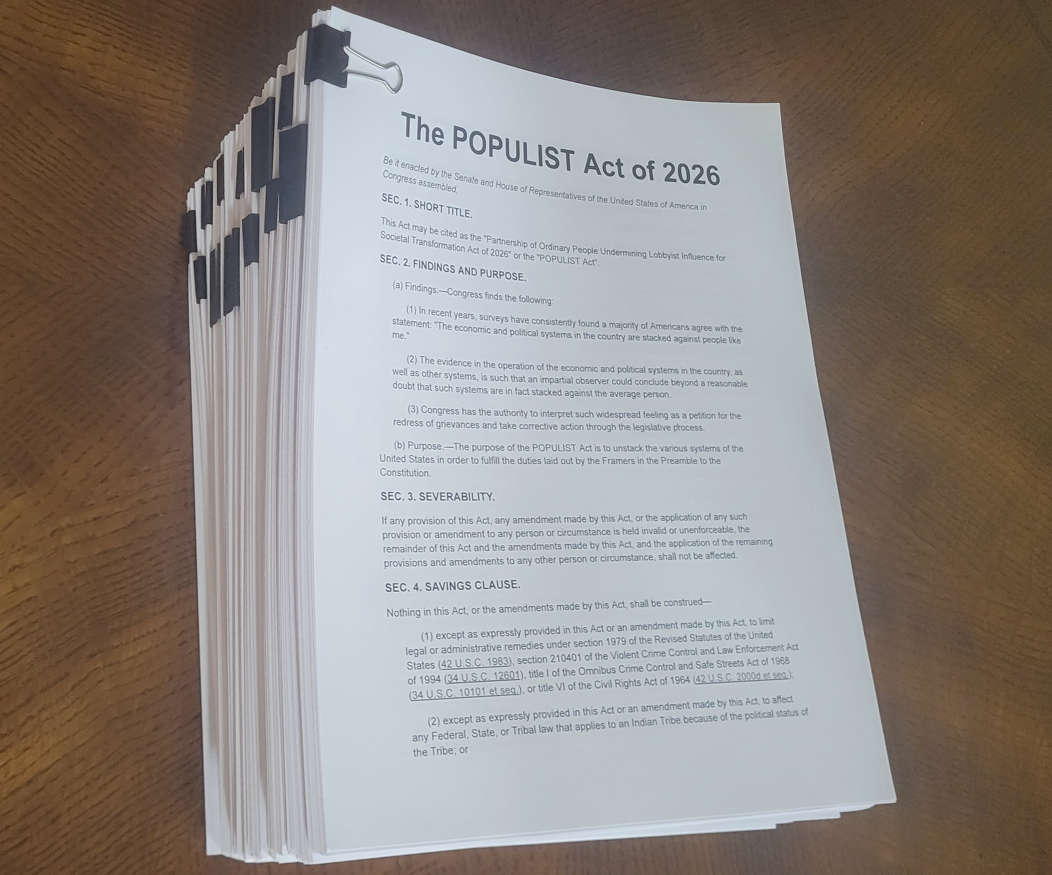
THE POPULIST ACT
The Constitution is the hardware of the United States, and its software is the millions of lines of the United States Code—the rules that shape health care, housing, employment, banking, technology, elections, criminal justice, food, energy, and nearly every other part of our daily lives. That software is badly in need of an upgrade; the POPULIST Act is the legislation that can do it.
Drawing on my years in the state legislature and with the help of AI, I spent eight months assembling the 2,000 pages of the POPULIST Act. It is built from legislation introduced in Congress, the recommendations of subject-matter experts, and my own analysis of American history and our 21st century problems. Across 13 titles (one for each of the 13 colonies) it works to break up concentrations of economic and political power, rebuild the public institutions we depend on, and give ordinary people more agency in their lives.
This is why I’m asking for your vote, so that we can demand Congress enact the POPULIST Act before the midterms—or face the electoral consequences for refusal.
OUR SHARED MISSION
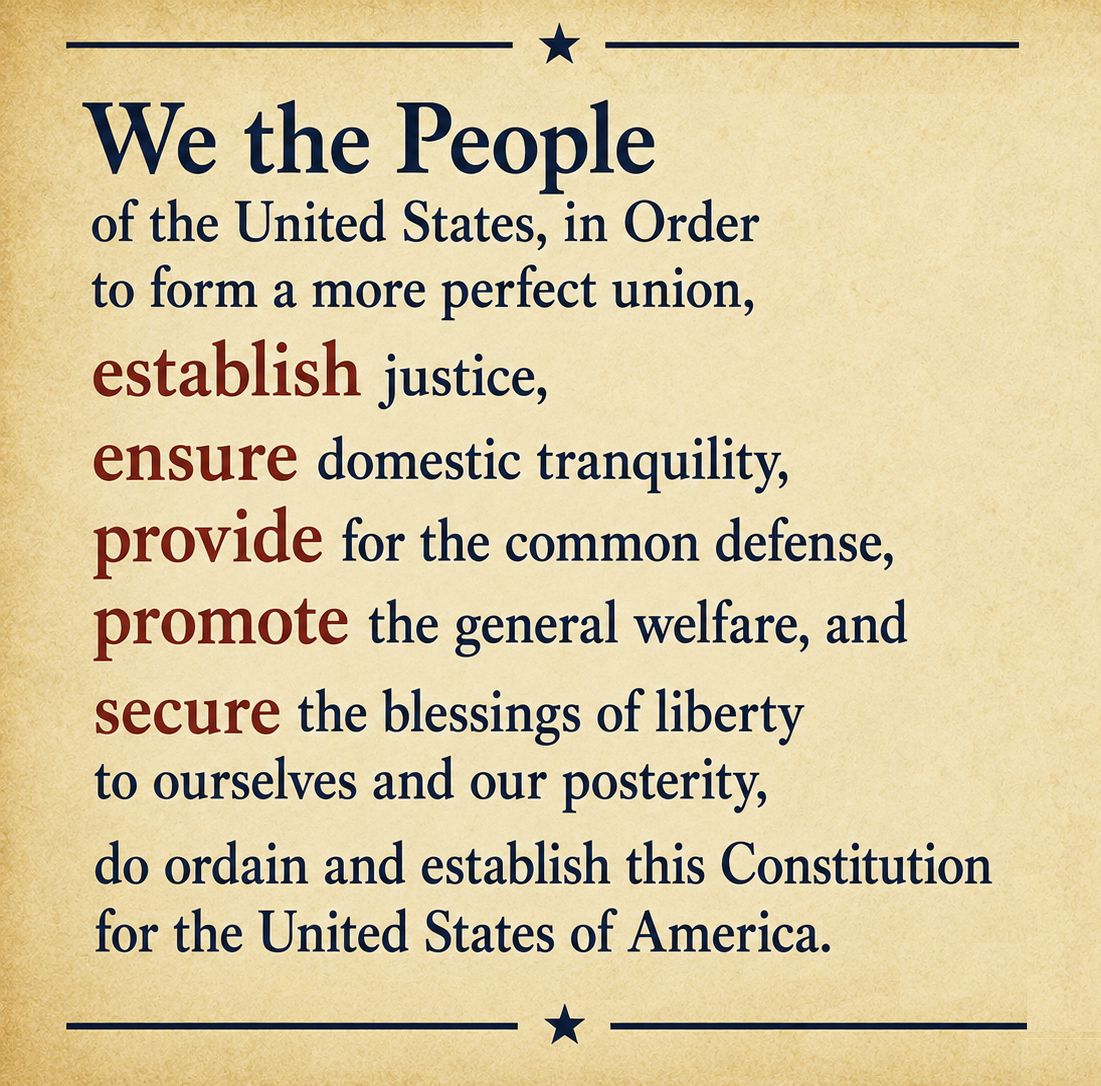
The United States has a mission statement: the Preamble to the Constitution. It charges us to form a more perfect union, always striving to be better, and lays out five duties for us: “establish Justice, insure domestic Tranquility, provide for the common defence, promote the general Welfare, and secure the Blessings of Liberty to ourselves and our Posterity.”
These are moral duties, not legal obligations. People often say that the Constitution is about protecting our rights: the First Amendment, Second Amendment, and so on. But those were added later. The Constitution was written as a framework for government, and it starts by answering the question of what we owe each other. The POPULIST Act steers the United States back toward our original goals.
HEALTH CARE
The Preamble tells us to promote the general welfare—the health, happiness, and prosperity of the people. In the United States, health care is one of the clearest examples of what happens when corporate power becomes concentrated; UnitedHealth Group alone averaged $2 billion/month in profit during the first half of 2026. Title III of the POPULIST Act would break up these vertically integrated health care conglomerates, lower medical and prescription drug prices, restore Medicaid coverage protections, and protect rural hospitals as we transition to universal health care.
The universal health care provisions are built on Bernie Sanders’s Medicare for All legislation, guaranteeing health coverage to every U.S. resident beginning in 2029. A recent survey found that 24% of U.S. workers—about 23 million adults—are staying in jobs they want to leave because they fear losing their health insurance. Universal health care is not only about affordability; it is about the blessings of liberty. Starting in 2029, workers would be free to change jobs, start businesses, or care for family without fear of losing health coverage.
BIG TECH and ARTIFICIAL INTELLIGENCE
Big Tech is another example of concentrated corporate power exercising too much control over everyday life. The POPULIST Act would break up dominant technology platforms, establish digital privacy by default, ban surveillance advertising, protect net neutrality, open app markets, and give people greater control over their own data.
Artificial intelligence promises to be a powerful new tool for the 21st century, but how it will be used is still unclear. The POPULIST Act sets basic ground rules by requiring disclosure of synthetic media, setting safety rules for frontier models, and restricting government use—including prohibitions on dragnet AI surveillance or social scoring, limiting predictive policing, and requiring meaningful human review of any high-impact decisions. And if AI allows us to produce more with less human labor, that should become an opportunity for greater freedom—not a reason millions of people lose economic security.


ECONOMIC SECURITY and WORK
Here’s the truth: In the 21st century, we no longer need every adult to work 40 hours a week. Technology and rising productivity should buy us greater freedom, not permanent insecurity. The POPULIST Act would establish an economic floor under every American family with unconditional basic income (UBI) of $55/day for adults plus $22 for kids. It would also rebuild public housing, limit Wall Street ownership of homes, and create new public housing models so economic security includes an affordable place to live.
Economic security also comes from power at work. The POPULIST Act would provide 18 weeks of paid family leave, abolish subminimum wages, and ban noncompete clauses and surveillance-based wage setting. It makes organizing easier by speeding up union elections, protecting workers from retaliation, and giving organizers greater access to their coworkers. Workers at Amazon’s JFK8 warehouse made history in April 2022 by winning a union election, but they still do not have a first contract. The POPULIST Act would permit binding arbitration 120 days after bargaining begins.
DEMOCRACY
Concentrated economic power does not stay economic for long; it seeks political power too. Last year, lobbying spending averaged $10 million for each member of Congress. Corporations and wealthy interests can also spend enormous sums trying to shape elections, legislation, regulation, and public policy. The POPULIST Act would get corporate money out of federal elections, tighten dark-money rules and disclosure, and reduce the ability of concentrated wealth to drown out ordinary citizens.
The POPULIST Act would also reform Washington and the rules governing representation: end partisan gerrymandering and mid-decade redistricting, expand the House of Representatives by 100 seats to trigger clean redistricting, require citizenship verification to cast a federal ballot, ban members of Congress from trading stocks, end government shutdowns, and strengthen transparency and public accountability. The greater update to democracy, however, would be Congress acknowledging that in the 21st century, we the people can represent ourselves directly without political parties. This is what my campaign seeks to accomplish.
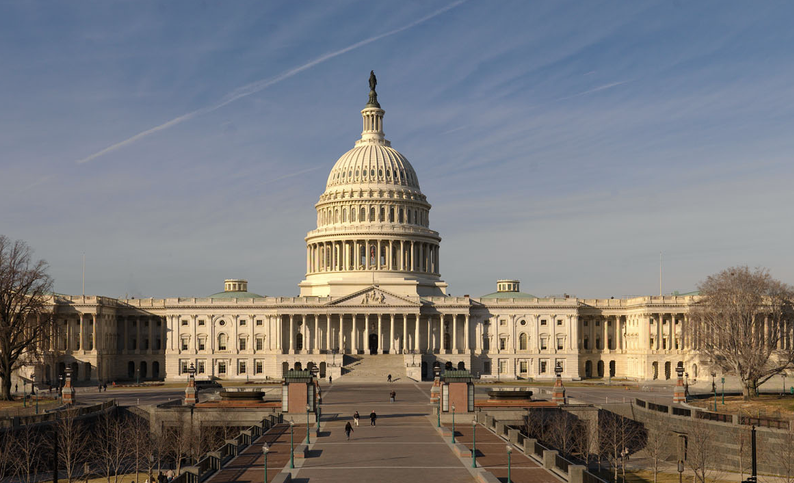

JUBILEE
For America’s 250th birthday, the POPULIST Act proposes something more ambitious than a celebration: a Jubilee. Jubilee is an ancient idea of release, repair, and return—a time to forgive burdens that should not be carried forever, restore people and institutions, and rebalance a society when accumulated debts and concentrations of power have pushed it out of balance. Across the POPULIST Act, that principle reaches from justice and second chances to economic security, public institutions, and peace.
The economic case is especially urgent. The national debt is now over $40 trillion, with the United States continuing to borrow money to pay old obligations and spending $10/day in interest for every American, or about $14,000/year for a family of four. This debt can not be repaid unless we repair the rules around money. The POPULIST Act would mint a $47 trillion platinum Jubilee Coin and use this interest-free public money to retire the federal debt as it comes due. As the old debt is released, the POPULIST Act would repair our monetary architecture to support UBI and rebalance the economy to serve all of us after the Jubilee.